
- Home
- Corporate
- Products
- NTA Digital
- Science Center
- Documents
- News
- Become a Distributor
- Contact
- Pilatus Swiss Dental GMBH
- Online Verification
- Online Training
- Patient

Restore a stable, confident smile
Missing teeth can be replaced with a fixed implant restoration. This page summarizes what a dental implant is, why treatment may be indicated, and how aftercare works. Treatment planning is done by your dentist; follow the IFU for the selected fixture.
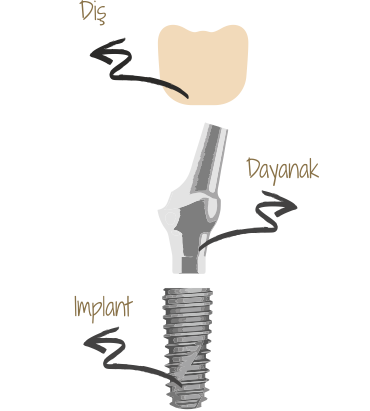
What is a dental implant?
Dental implants are artificial tooth roots placed in the jaw to support a crown, bridge, or denture after a natural tooth is lost. They are typically made of commercially pure titanium, which is used because bone can form in contact with that surface (osseointegration).
A dentist places the fixture in sterile conditions. After healing, a prosthesis is attached. Load on the fixture can help limit bone resorption in the edentulous site compared with a gap left empty.
NTA fixtures are manufactured under the quality-system certificates listed on the Corporate page. Treatment planning, indications, and aftercare are decided by your dentist. Follow the IFU for the selected implant.
Why consider an implant?
Implant treatment can restore chewing when the case is indicated.
Planning and placement are done by your dentist.
Helps maintain jaw bone
After a tooth is lost, the jaw bone in that site can resorb. A fixture in the bone transmits load and can slow that resorption, as documented for osseointegrated implants.
Does not require adjacent-tooth reduction
Unlike a conventional bridge, an implant does not require preparing the neighbouring teeth as abutments.
Feels closer to a natural tooth
After healing, many patients chew and speak without treating the restoration as removable.
Hareketli Protezlere Son
In fully edentulous jaws, or where a removable denture is not preferred, implants can support a fixed prosthesis when the case allows.
Treatment and common questions
How long does placement take?
Healing is often 1–4 months in straightforward cases. Bone grafting or other adjuncts can extend that to about 3–9 months. A provisional prosthesis may be used during osseointegration when the protocol allows.
When can the teeth be used?
The restoration is used after osseointegration and prosthetic delivery, on the schedule your dentist sets.
Can the body reject an implant?
Titanium dental implants are not rejected like an organ transplant. Failure, when it occurs, is usually related to infection, overload, or poor bone quality — not an immune “rejection” of titanium.
How should implants be cleaned?
Brush morning and night around the implants and follow the hygiene aids your dentist recommends.
How long can implants last?
Longevity depends on hygiene, occlusion, and recall visits. A lifetime guarantee cannot be given because biology changes over time.
How should implants be cleaned?
No lifetime guarantee can be given. With documented hygiene and recall, many implant restorations function for decades.
Are there risks?
Risks include infection, bone loss, and mechanical complications. Outcome depends on case selection, the fixture used, and follow-up. Discuss risks with your dentist before treatment.
How often are follow-up visits needed?
Your dentist sets the recall interval. Visits typically include hygiene review and, when indicated, radiographs of the supporting bone.

Your record
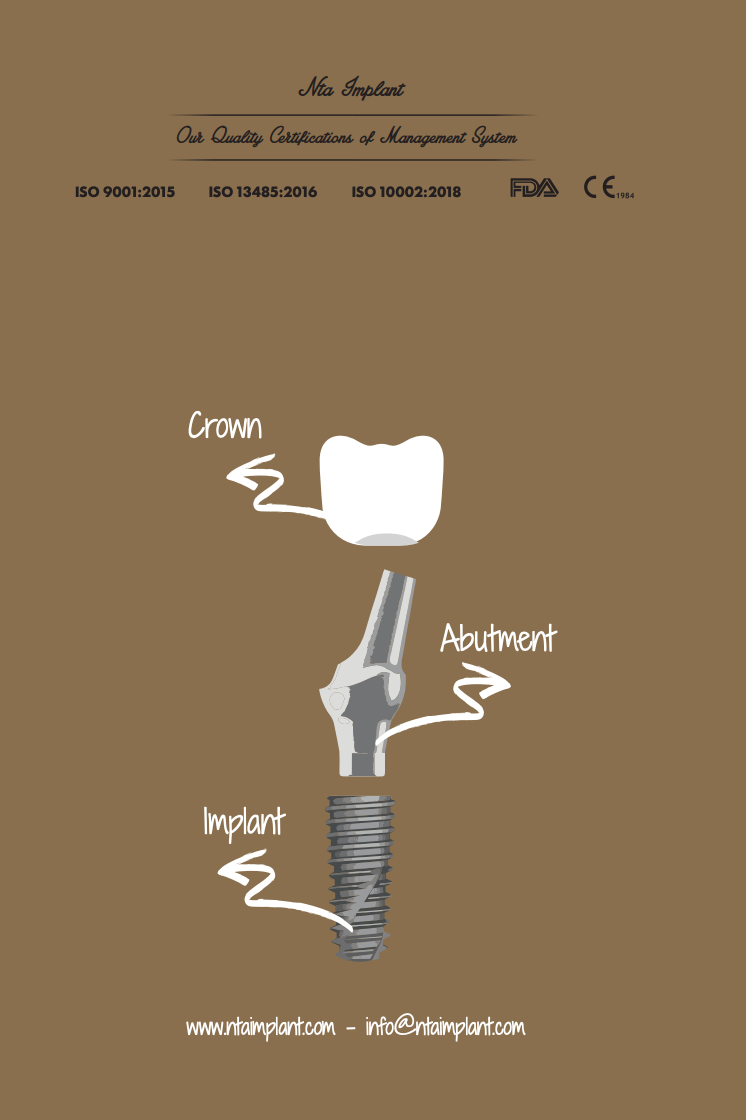
HASTA PASAPORTU
Your dentist can issue a patient passport with the fixture data. Warranty terms require dentist confirmation and documented recall visits.
Keep the patient passport your dentist gives you. Warranty validity depends on that record and on regular check-ups.
Ask a specialist
Complete the form for questions or a detailed request. The team will reply.