NTA® Implant

yeni_implant_anasayfaa_plus

SHORTER PLUS IMPLANT SYSTEM

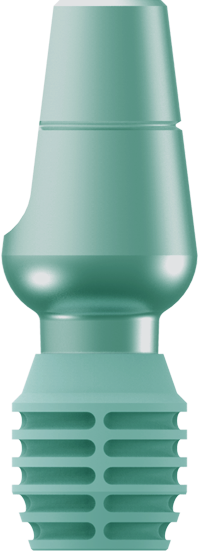
Vertical grooves and GBR chambers for rotational resistance

Shorter Plus uses series-specific vertical grooves and GBR chambers to increase surface area and resist rotational load. FDA-cleared HA surface, a locking 1.5° taper, and a sloping shoulder are specified so short-fixture placement can be considered without sinus elevation when vertical bone is limited. Follow the IFU.

Shorter Plus design and surface technology

Shorter Plus adds body features specified for rotational resistance and bone contact:

Vertical grooves and GBR chambers: Vertical grooves on the fixture body increase surface area and resist rotational load. GBR (guided bone regeneration) chambers on the surface are specified to support bone formation. These body features are specific to the Shorter Plus series.

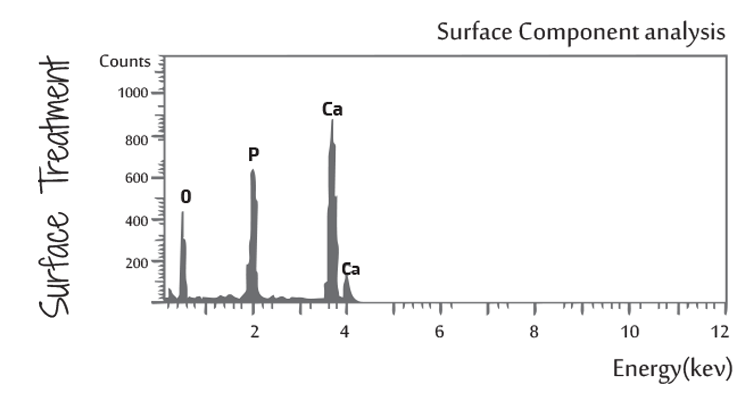
HA (hydroxyapatite) surface: HA coating is applied in the United States by thermal plasma-spray. The surface is specified to support osseointegration and BIC versus a machined fixture. Follow the IFU.

Plateau design: Compared with a screw-type fixture of the same size, the plateau geometry provides at least 30% more surface area. The inter-fin space is specified for mature haversian bone formation.


Connection and seal

Locking taper specified for the implant–abutment interface:

1.5° conical connection: The locking 1.5° taper is specified to reduce micro-movement and micro-leakage at the implant–abutment interface.

360° abutment positioning: Shorter abutments are interchangeable. The locking taper allows 360° rotational positioning at the restorative stage.

Surgical and design features

Specified for a reduced-trauma osteotomy:

Sloping shoulder: Provides placement flexibility and additional biologic width at the crestal bone.

Low-speed reaming: Titanium reamers operate at about 50 RPM without irrigation, so autologous bone can be collected during the osteotomy. Follow the IFU for speed and sequence.

Reduced grafting indication: The short fixture can reduce the need for sinus elevation or nerve repositioning when vertical bone is limited. Case selection per IFU.

INDICATIONS AND SIZES

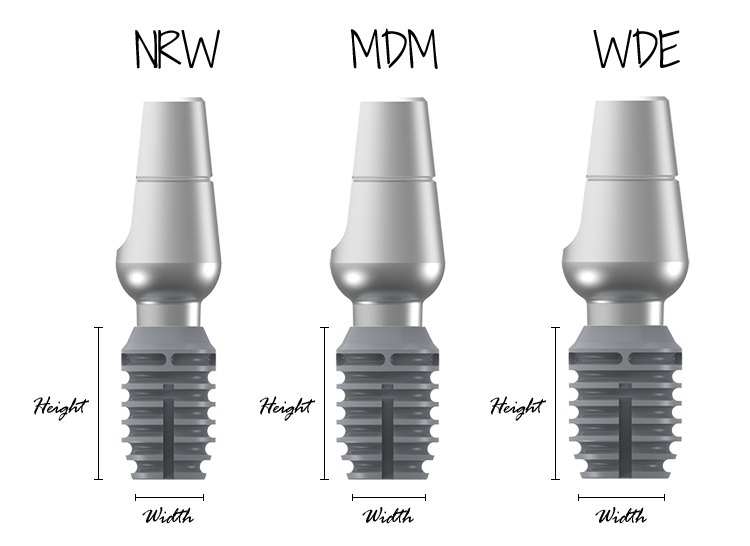
Diameter and length options for documented anatomical requirements.
(Key point: place the fixture at least 3 mm below the soft-tissue margin, as specified in the IFU.)

NRW (2.0 mm internal connection):
Width: 3.0 – 3.5 – 4.0 mm
Height: 6.0 – 8.0 – 9.0 – 11.0 mm

MDM (2.5 mm internal connection):
Width: 4.0 – 4.5 mm
Height: 5.0 – 6.0 – 8.0 – 9.0 – 11.0 mm

WDE (3.0 mm internal connection):
Width: 4.0 – 4.5 – 5.0 – 5.5 – 6.0 – 7.0 mm
Height: 4.2 – 5.0 – 6.0 – 8.0 – 9.0 – 10.0 – 11.0 mm

BROCHURES AND DOCUMENTS

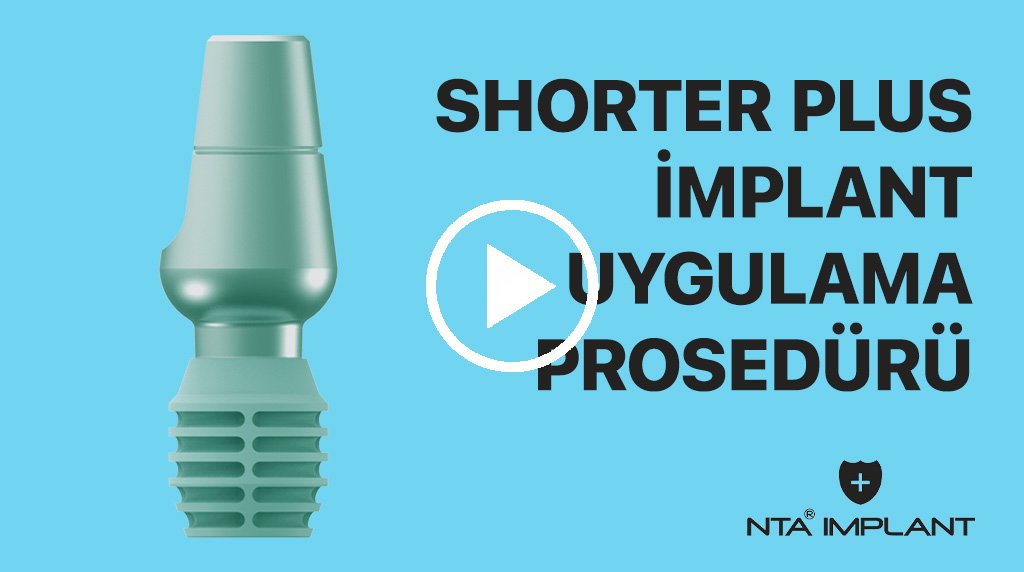
3D animation of the NTA implant surgical sequence.

Request clinical information

Use the form for product or protocol questions. The clinical support team will reply.

    Are you a healthcare professional?

    Some pages are written for dentists and other healthcare professionals.